

How to Write A Novel
The definitive guide....Just kidding!

Write as You Are is free to subscribers. If you find this newsletter helpful, you can show your support by buying me a virtual cuppa, donating to Choose Love, dropping me a like or sharing it with someone else who might also enjoy it. Thank you for being here!
“How do you write your novels?”
A writer friend asked me this the other day. We have spent so much time over the last few months talking about our process of querying agents (we are delightfully in this stage together- it helps to be in good company) so we haven’t had as much time for ‘craft’ talk.
I paused for a moment, thinking of how to answer the question.
“I usually start with the tiniest idea that I run with, having no idea where it will go. At the beginning, I write 500 words a day. It is like I am feeling my way into the story, not putting too much pressure on anything, seeing what characters appear, letting the story lead me without having to write too deep into the story. Then I might brainstorm bits and pieces. At some point I usually feel the desire to spend more time each day writing, once the story has revealed itself more and it has a life of its own. If I get stuck, I just jump to the next bit I know and fill in the gaps later.”
I mean, this is how I wrote my last novel and how the new novel is going so far. I told my friend that I have been wondering about planning more, thinking about how planning might feel. I am resistant. I like the romanticism of letting a story come to light, like those frescos you occasionally hear about hidden behind layers of paint, carefully revealed by the painstaking work of restorers, millimetre by millimetre. But I do worry that I will miss something by not planning and I worry that in my quest for the excitement/adventure /romanticism of writing, I am making things harder on myself.
I was lucky enough, recently, to be in an expert hour webinar with Joanna Nadin, a prolific author who is a meticulous plotter. I asked her where the romanticism is when things are so plotted out and she gave me the most beautiful answer. She said that there was still always romanticism in creating the most beautiful sentences she can, in getting just the right word or just the right phrase. She made me stop and think for sure!

I hear people talking about Save the Cat and ‘beats’ and inciting incidents and I get a little panicked. I get a feeling that I ‘should’ be planning out my novels, that I am not a real novelist unless I know how to save this poor cat. (I should also share that I had written two novels before I even heard that the cat needing saving).
I shared this with my friend and asked her how she writes her books. She said she is more of a planner, not an extreme planner, but she does find the Save the Cat beats to be a useful guide for her. I was intrigued. I asked her to explain one of the beats to me and when she did, I reflected that without knowing about this beat, I could identify it in my new novel. We concluded that there is definitely something instinctual about writing too, whether you ‘know’ the beats or not.
And that got me to thinking…
I am taking a lovely little course with Michael Meade called Finding Stories to Live With, all about the myths that humans have forever told about the construction and destruction of the world. I love this idea of turning to storytelling to make sense of the endless cycle of things, to feel a little calmer in the tumult.
“When it feels like everything is going awry,” he said in his talk last Thursday night. “We go back to story.” So maybe story is in our very essence, maybe it lives in our DNA? Perhaps as beings that have always used stories to make sense of the world, we instinctively know how to form them?
This is not to say that planning is bad and writing from instinct is good. Not at all. There are many ways to skin or should we say, save, the proverbial cat. And within that, there is a place for the most meticulous planner and the most seat of the pants pantser. Whatever works for you, I say. (You might be starting to realise, I always say that).
Even a quick look at some famous authors’ methods tells us the same. Zadie Smith has to perfect her first 20 pages before she can go on to the rest of the novel, John Grisham likes to spend time on the outline saying, “if I cheat on the outline I get in trouble with the book,” and Margaret Atwood says she writes from the seed of idea, an image a scene or a voice and that the structure becomes clear as she writes. “I couldn't write the other way round, with structure first,” she is quoted as saying. “It would be too much like paint-by-numbers.”
We are all so different, it stands to reason that we would not all write novels the same way. But, if all goes awry in our story, as it can for both plotters and pantsers, perhaps then it is time to dig in deep to find that ancient, inner storyteller who can gently light our way back to the right path.
How do you write your novels? I would love to know if you are a plotter or a pantser (or perhaps, like me you prefer the word discoverer)? Substack has a new ‘poll’ option so let’s find out.
Also do you do anything really different or unusual in your novel planning? I would love to hear! Please do share in the comments, maybe it will help and/or inspire others.
Recommendations
Article: I love this piece in LitHub about considering your novel structure as you would a mixtape.
Great quote from the article: “I should stop thinking about what came next in terms of the linear story of my novel or how to introduce all my characters as quickly as possible. I should be thinking about moods and transitions.”
(This piece also made me all dreamy about mixtapes and how much it meant to receive them).
Article: Equal parts comforting and depressing, this Guardian article Why do Writers Need Agents? To Keep Track of Rejections is worth a read.
Video: If, like me, you need a little light comedic relief these days, I hope this very old clip of comedian Peter Kay getting song lyrics wrong makes you laugh as much as it did me. In his words, it’s a bit blue…you’ve been warned! I, personally, for years sang Free Love instead of Thriller! I’d seen the video and everything. What is your best lyric mishap? Pop that in the comments too…
Mentoring
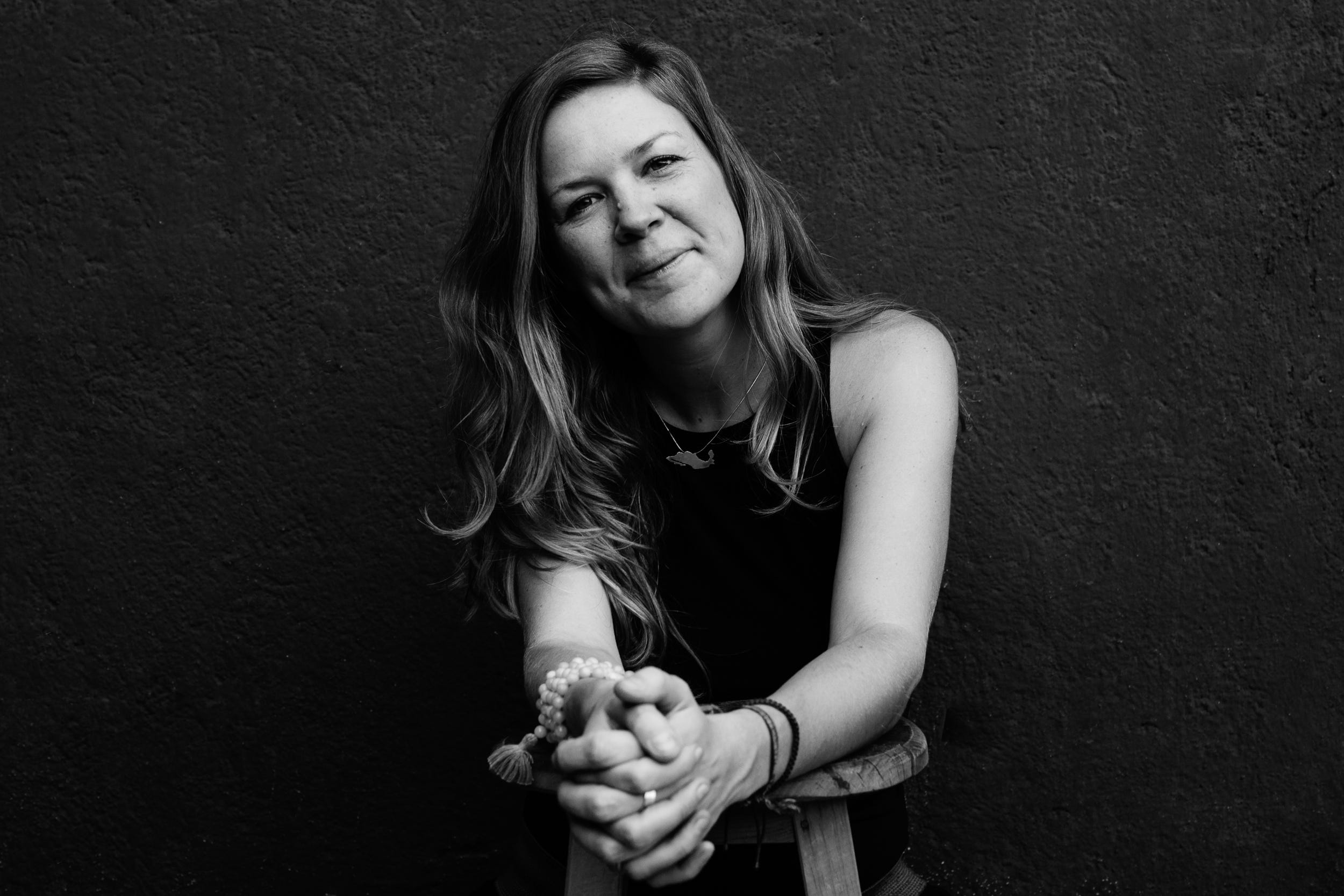
If you trust me as a mentor after that lyric mishap then I would love to hear from you. It can’t overstate what an honour it is for me to work with such incredible people and to witness the growth and change through our weeks delving into to writerly waters together. Really giving voice to our creative whisperings is life-changing stuff.
If you are interested in working with me, please click below to sign up for a no-obligation discovery call. And if you are still unsure, click here to see what my clients have said about working with me.